

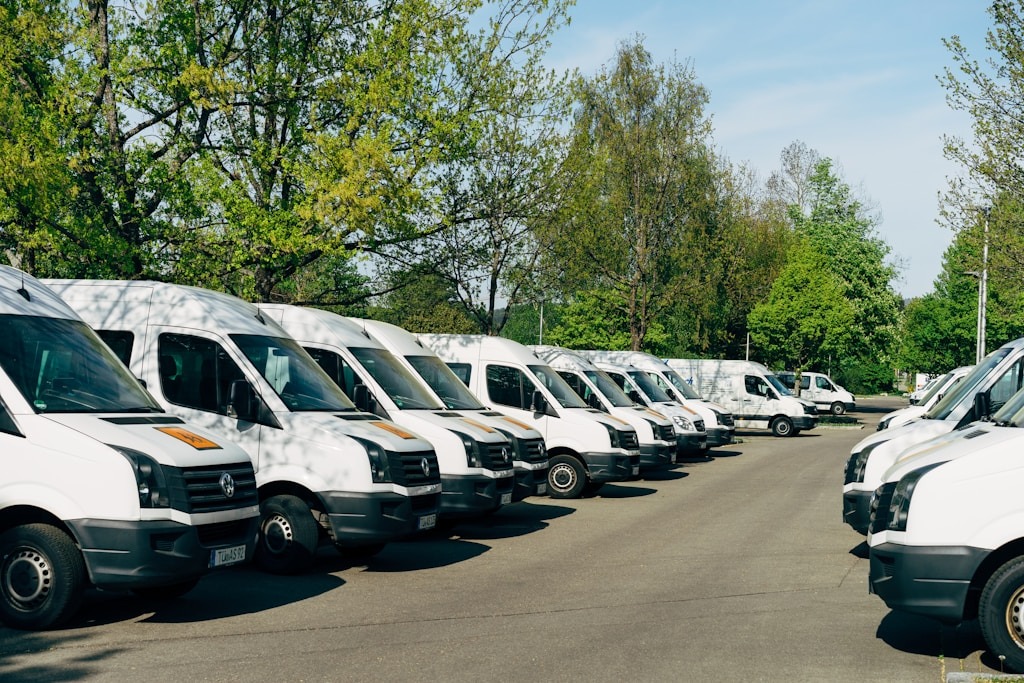
Managing a commercial fleet requires far more than just tracking dots on a digital map. Modern logistics and transportation operations demand comprehensive visibility, advanced safety protocols, and actionable insights. This is exactly where vehicle camera telematics steps in to transform traditional fleet operations. By combining intelligent video capture with rich data analytics, fleet managers can monitor their vehicles and drivers in real-time. This comprehensive guide will explore what this technology entails, how it functions behind the scenes, and the immense value it brings to businesses across various industries.
The Fundamentals of Vehicle Camera Telematics
At its absolute core, vehicle camera telematics merges standard GPS tracking systems with advanced video technology and artificial intelligence. Instead of relying solely on basic location data, operations managers receive immediate visual context for every single on-road event. This dual approach provides a complete, undeniable picture of driving behavior, vehicle performance, and dynamic environmental hazards.
Modern systems utilize extensible, connected dashcams that look both inward toward the cabin and outward toward the road. When a sudden braking, harsh cornering, or rapid acceleration event occurs, the system instantly uploads the corresponding high-definition video footage to a secure cloud platform. This allows fleet operators to review the incident immediately, rather than waiting days for the vehicle to return to the primary depot.
Key Components and Intelligent Features
The true power of vehicle camera telematics lies in its sophisticated hardware and software integration. Cutting-edge setups go far beyond simple continuous recording to offer proactive safety measures that protect teams on the move.
AI-Powered Risk Detection
Next-generation dashcams leverage artificial intelligence to monitor both the road ahead and the driver behind the wheel. These smart systems can easily detect signs of fatigue, distraction, smoking, or unauthorized mobile phone usage inside the cabin. Externally, AI identifies vulnerable pedestrians, co-workers, and cyclists in key risk areas, alerting drivers instantly to prevent serious accidents from happening.
360-Degree Visibility Systems
For large commercial trucks, waste management vehicles, and complex construction equipment, blind spots are a major operational hazard. A flexible, multi-camera system provides complete 360-degree visibility around the entire asset. This comprehensive coverage ensures the utmost protection for drivers and the public, dramatically reducing collision risks in tight loading bays or busy urban streets.
How Vehicle Camera Telematics Elevates Operations
Implementing a robust video and data strategy impacts nearly every fundamental aspect of fleet management. The core benefits extend far beyond simple surveillance to actively improve the bottom line.
Here are the primary advantages of utilizing these connected systems:
- Accident Reduction: By spotting emerging risks early and providing interactive coaching, fleets can proactively stop accidents and avoid costly insurance payouts.
- Operational Efficiency: Tracking valuable assets and monitoring fuel usage helps teams operate smoothly. Managers can effortlessly digitize workflows and optimize daily routes.
- Automated Compliance: Digitizing daily vehicle inspections and safety protocols removes tedious, error-prone paperwork. Drivers can focus entirely on the road rather than overwhelming administrative tasks.
- Sustainability Tracking: Managing engine idle times and optimizing travel routes significantly reduces harmful carbon emissions. This vital data helps companies meet strict sustainability targets efficiently.
Choosing a Connected Safety Platform
To truly maximize these operational benefits, organizations must understand how vehicle camera telematics integrates with a cohesive safety and compliance platform. Advanced solutions offer custom workflows, detailed driver scoring mechanisms, and seamless integration with broader asset tracking networks like Geotab.
For companies looking to deploy these sophisticated features, exploring an innovative provider like CameraMatics offers a clear pathway to a safer, more efficient fleet. Partnering with top-tier telematics providers ensures that you always have the best tools to manage travel, protect mobile assets, and maintain continuous oversight.
Final Thoughts on Fleet Technology
The seamless integration of visual data and precise location tracking has completely revolutionized commercial transport. Relying on outdated, fragmented methods is no longer viable for modern businesses that want to remain highly competitive and safe. Adopting vehicle camera telematics is a highly strategic investment in accident prevention, operational efficiency, and overall driver well-being. By embracing this intelligent, interconnected technology, modern fleets can navigate the complexities of global logistics with complete confidence and unmatched visibility.