

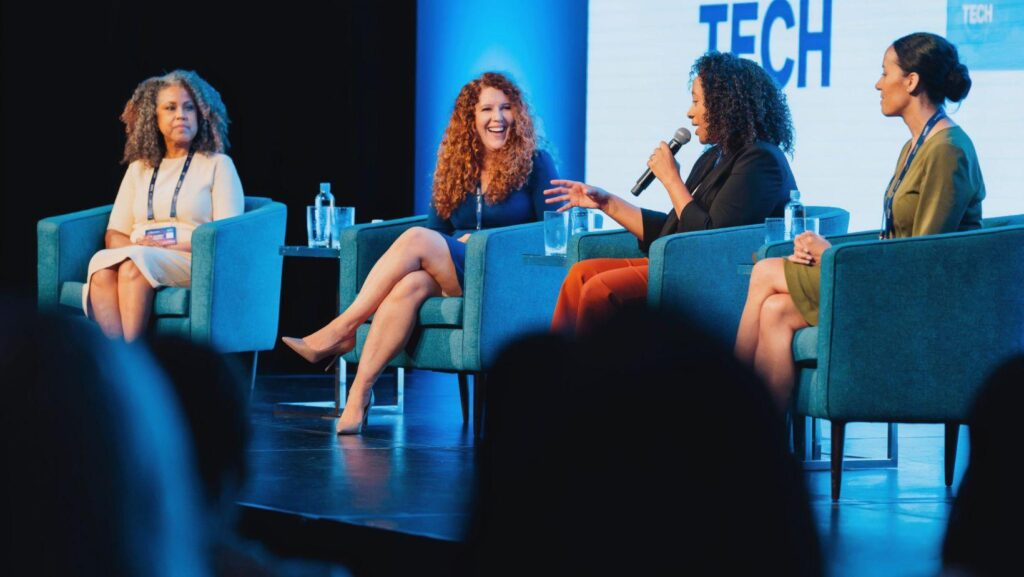
Attendees at tech conferences share three things: they are technically savvy, busy, and surrounded by competing demos and booths. The UFI’s 2026 Global Exhibition Barometer, which focuses on the exhibition industry, found that interactivity and engagement are top priorities for improving event formats. Some 22% of respondents highlighted that demonstrations, competitions, and gamification—all of which add an experiential layer to conferences and exhibitions—can enhance visitor participation. As such, hiring experiential talent can become a vital part of a strategy to make conferences more memorable, productive, and lucrative.
What Can Experiential Talent Offer Attendees?
Professional tech event talent can fill various roles, including explaining how complex systems and products work in clear, simple language. They can also lead experiences that make events memorable and useful, while giving attendees a clear idea of what the displayed technology can offer. These experiences can include demos, games, augmented or virtual reality experiences, and live product trials. Experiences can show visitors how specific products can enhance their work without feeling like a sales pitch. They can create consistent brand messaging that stands out among other booths and competitors.
Useful Case Studies
HP entertained attendees with a multiplayer VR experience at CES. At the same show, Command used an AR product visualization and engagement experience that allowed attendees to interact with its products through augmented reality. At the Elevate conference, meanwhile, monday.com used virtual reality displays and hands-on product information that drew attention. All these efforts required talent to demonstrate features, help attendees, and explain product benefits.
What Talent Is Available for Tech Conferences?
A smart talent strategy starts with a knowledge-rich, approachable team that excels at teamwork. The talent roles that can boost activity and engagement include brand ambassadors (who welcome visitors and invite them to participate), product demonstrators (who deliver live demos and explain how specific products work), lead-capture specialists (whose goal is to ask the right questions, record relevant information, and refer high-intent prospects to sales staff), emcees and hosts (who manage stage sessions and competitions), and multilingual or local talent (who can attend to international visitors and boost diversity). Talent also typically includes technical specialists who ensure devices and connectivity run smoothly.
Starting Early
Preparation is key to successful tech conferences; industry reports on B2B events show that exhibitors who research attendee lists, pre-book meetings, and prepare targeted outreach convert 10–15% better than those who simply arrive. Tech businesses that want to harness the benefits of conference talent should define their strategy before events start. The first goal should be to identify their objectives, whether that’s boosting brand awareness, increasing leads or demo bookings, or building a stronger network. During this stage, they should conduct market research to identify target customers, understand their pain points, and determine how to solve them. Staff should be hired to suit specific booth sizes and demonstration requirements, and all staff at conferences should receive training not only on the product but also on qualification questions, data capture, escalation routes, and the organization’s brand voice. A sufficient number of staff members should be trained to cover contingencies and last-minute dropouts.
The Importance of Measuring Talent-Focused Experiential ROI
Tech companies that rely on talent to deliver more dynamic conference and exhibition experiences should measure outcomes to refine their strategy for upcoming events. While each business will have its own relevant metrics, popular ones include the number and quality of qualified conversations, the demo participation rate, and the number of leads tagged with context, buying stage, and follow-up action. Other aspects to gauge include the number of meetings booked during or immediately after the event, social media mentions, and pipeline and revenue attributed to leads generated by the event. Research by Spiro has shown that attendees who described an experience as memorable, valuable, and trustworthy were nearly three times more likely to buy than those with neutral impressions. Talent can play a key role in ensuring that an organization achieves these outcomes.
When it comes to engaging audiences at conferences and exhibitions, talent can make all the difference. From booth attendees to multilingual staff, talent can explain your products to guests, show them how they work, and record vital data such as customer intent. A company’s attendance at a conference can be a big investment. As such, improving its ROI through virtual reality, AR, games, and other initiatives led by talent should be seen as a pillar of event success.