

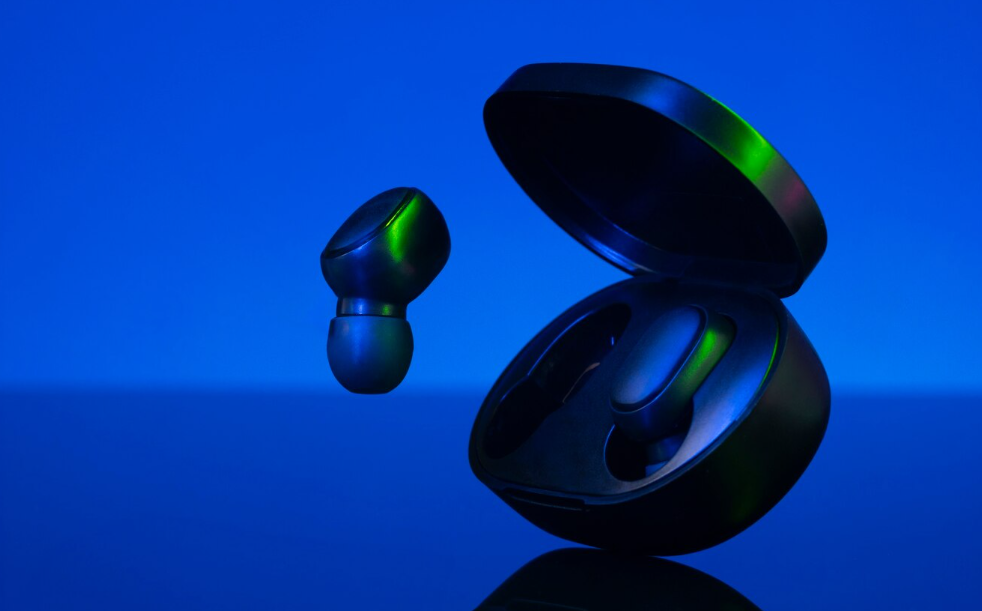
In the fast-evolving world of audio technology, wireless earbuds have revolutionised the way we listen to music, engage in phone calls, and consume media. The combination of advanced technology and sleek designs makes devices such as Bluetooth earphones increasingly popular among consumers seeking both convenience and quality. As the appeal of tangle-free, portable sound solutions grows, we’ll delve into their history, technology, benefits, and the future landscape of wireless audio.
A Brief History of Wireless Earbuds
The concept of wireless earphones finds its roots in the development of Bluetooth technology in the late 1990s, which was primarily used to eliminate wired connections between devices. Originally designed for short-distance communications, Bluetooth became the foundation for today’s wireless audio solutions. Earbud technology saw a gradual development, leading to the creation of the first generation of true wireless earbuds around the mid-2010s. The launch of several high-profile products, paired with significant advances in Bluetooth technology, catapulted these miniature audio devices into mainstream use.
How Wireless Earbuds Function
Wireless earbuds rely on Bluetooth technology to communicate with audio sources such as smartphones, tablets, and computers. They come equipped with tiny battery-powered processors that handle the complex tasks of pairing, transmitting audio signals, and noise cancellation. Modern Bluetooth earphones also incorporate miniaturised drivers that convert sound waves into audible form, digital signal processors for enhancing sound quality, and sophisticated algorithms for active noise cancellation.
The very compactness of the components involved is a testament to the technological advancements that make high-quality wireless audio possible. As Bluetooth technology has evolved, newer versions have allowed for higher data transfer rates, reduced latency, and longer battery life – catering to audiophiles who demand exceptional audio fidelity.
Benefits of Wireless Earbuds
One of the main benefits of wireless earbuds is their convenience. Without the need for cables, users can enjoy hassle-free listening experiences whether they’re commuting, working out, or relaxing at home. The compact, lightweight design means they fit comfortably within the ear, making them an ideal choice for prolonged use.
Another significant advantage is the advanced noise cancellation technology featured in many models. This capability allows users to immerse themselves in audio content without interruption from external noise. Additionally, many wireless earbuds now support various smart features, such as voice assistant integration and touch controls, elevating the user experience further.
Furthermore, as technology advances, the sound quality of wireless earbuds has seen considerable improvement, often equalling, or in some cases surpassing, the audio quality of their wired counterparts. The availability of customisable sound profiles and an emphasis on dynamic range and clarity ensure that users receive a top-notch auditory experience, personalised to their taste.
Challenges and Considerations
Despite their many advantages, wireless earbuds come with some challenges. Battery life remains a leading concern, as the compact size inherently limits the capacity of the batteries they incorporate. Users often seek devices with extended playtime or quick charging capabilities to alleviate this issue.
Additionally, wireless earbuds can be more easily misplaced due to their small size. Many manufacturers have responded by integrating features such as “Find My Earphones” to assist users in locating misplaced devices. Moreover, while connectivity has vastly improved, occasional dropouts may still occur, especially in areas with high levels of wireless traffic.
From an environmental perspective, the short lifespan of some earbuds leads to electronic waste – a growing concern as more consumers transition to wireless models. Industry stakeholders are increasingly called upon to address sustainability by implementing recycling programmes and designing more durable products.
A Glimpse into the Future of Wireless Earbuds
The future of wireless earbuds promises even more exciting developments. With ongoing advances in materials science and miniaturisation, next-generation earbuds are expected to become even more comfortable and less intrusive. Enhanced biometric capabilities are projected, enabling more health monitoring features, such as heart rate monitoring and activity tracking, directly through the earbuds.
Improvements in sound quality will continue with the integration of emerging codec technologies that enable higher-resolution audio streaming. Users can expect increasingly advanced personalisation through adaptive sound algorithms that adjust based on the listening environment.
As manufacturers experiment with design, function, and features, the anticipation of integrating augmented reality (AR) and virtual reality (VR) capabilities into wireless audio devices becomes ever more plausible. This would open new realms of interactivity, with earphones acting as conduits for immersive experiences.

Conclusion
Wireless earbuds, particularly advanced models such as Bluetooth earphones, are an exemplary success story of modern innovation. With their cutting-edge technology, they have redefined auditory experiences. The continuous push towards enhancing audio quality while maintaining convenience ensures that these devices remain at the forefront of consumer electronics trends. As the industry moves forward, earbuds are likely to become even more indispensable, continuing to transform the way we engage with sound in our everyday lives.