

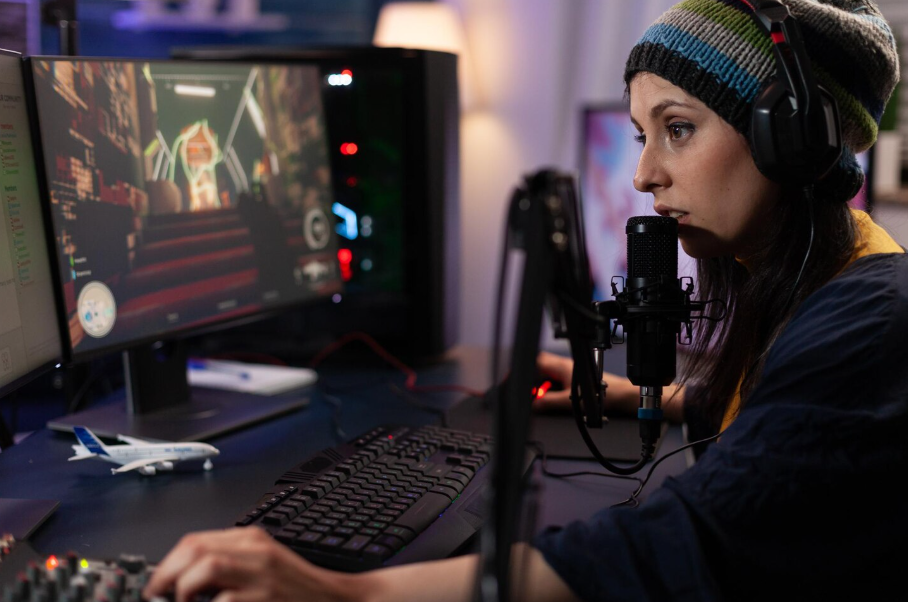
In the fast-evolving realm of gaming, the “gaming microphone” has emerged as a pivotal accessory, enhancing not only the gaming experience but also the way players interact within the virtual world.
The Role of a Gaming Microphone
Initially considered a peripheral component, the gaming microphone has transformed into an essential tool for gamers who take teamwork, communication, and strategy seriously. As multiplayer online games continue to dominate the market, the necessity for clear and concise communication becomes undeniable. A top-quality microphone can distinguish between victory and defeat, influencing how players coordinate tactics and strategise in real-time.
Advancements in Gaming Microphone Technology
Technological advancements have been monumental in redefining what gaming microphones can achieve. Contemporary microphones come equipped with features such as noise cancellation, voice modulation, and studio-quality audio capabilities. This progression allows gamers to immerse themselves fully in the game environment, silencing the cacophony of external distractions and focusing entirely on strategy and gameplay.
For instance, noise-cancelling technology has become a staple in modern gaming microphones. This feature works by eliminating background noise, ensuring crystal-clear communication. Whether one is engaged in an intense raid or coordinating tactics in a first-person shooter, the clarity of a microphone can enhance overall performance.
Streaming and Content Creation
The rise of game streaming and content creation platforms has further cemented the gaming microphone’s status as an indispensable tool. Aspiring streamers and content creators understand the importance of high-quality audio in maintaining viewer engagement and enhancing the overall production value of their content. A microphone that can deliver professional-level audio quality is no longer a luxury but a necessity for those looking to establish a presence in the world of gaming content creation.
Choosing the Right Gaming Microphone
Selecting the appropriate gaming microphone involves considering several factors tailored to individual needs and preferences. One should evaluate aspects such as the microphone’s polar pattern, frequency response, connectivity options, and its compatibility with other gaming gear.
Polar Patterns and Audio Capture
Different polar patterns influence how a microphone captures sound. Cardioid patterns are popular in gaming as they focus on sound from the front while minimising noise from other directions. This pattern is ideal for gamers who require focused audio capture without ambient noise interference.
Frequency Response
A microphone’s frequency response determines the range of sound it can capture. Gamers generally prefer a wide frequency response to ensure no audio detail is suppressed, allowing for a more authentic sound experience that captures everything from deep bass tones to high-pitched notes.
Connectivity Options
The type of connectivity is another important aspect worth considering. While USB microphones offer plug-and-play convenience, those using XLR might provide higher quality and more customisation options. Understanding these differences enables gamers to select a microphone that integrates well with their existing setup and meets their specific needs.
Microphone Accessories and Enhancements
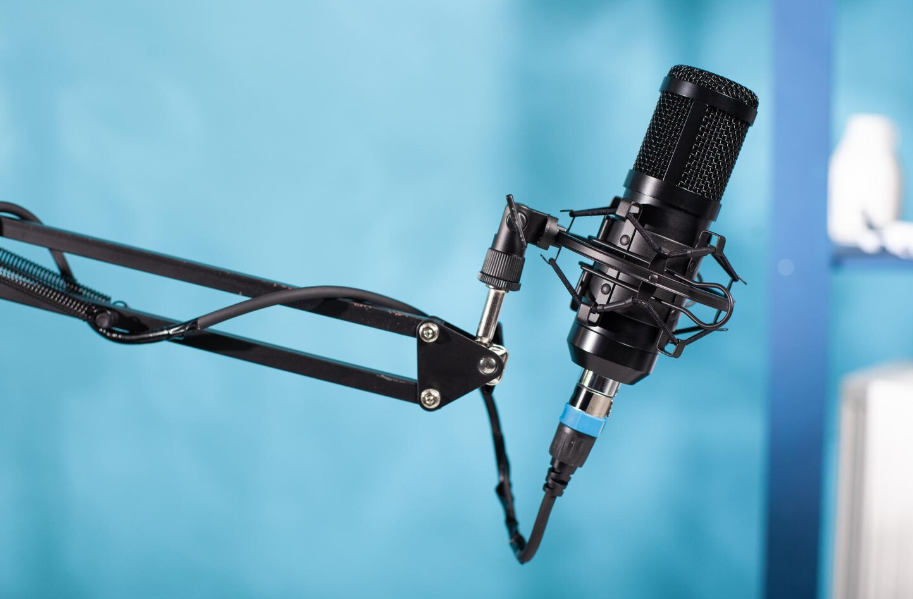
In addition to the microphone itself, several accessories can further enhance the audio quality and usability of the microphone. Pop filters, for example, are often used to reduce plosive sounds, such as the ‘p’ and ‘b’ sounds that can become exaggerated when communicated through a microphone. Shock mounts and boom arms are other accessories that help stabilise the microphone, reducing vibrations and ensuring smooth audio capture.
Integration with Other Gaming Equipment
A comprehensive gaming setup often requires seamless integration between various components. Consequently, the compatibility of a gaming microphone with other hardware, such as headsets and sound cards, is vital. Many manufacturers design microphones to work synergistically with other equipment, offering packages that enhance the audio quality and user experience.
Innovations and Future Trends
The future of gaming microphones promises exciting developments as technology continues to advance. Artificial intelligence (AI) integration is one emerging trend, poised to further refine audio quality through real-time adaptive filtering and voice recognition technology. As innovation continues, these advancements will likely lead to even greater immersion and interaction within gaming environments.
Microphones designed specifically for gaming will likely see enhanced integration with virtual and augmented reality platforms, contributing to a more authentic and engaging gaming experience. VR-centric microphones will have to address unique challenges, such as providing spatial audio capture and minimising latency to offer a truly immersive experience.
The Environmental Impact of Gaming Audio Equipment
As with any technological device, understanding and mitigating the environmental impact is crucial for sustainable development. Responsible materials sourcing, energy-efficient manufacturing processes, and recycling programmes are measures manufacturers are adopting to lessen their ecological footprint. Consumers now express a growing interest in sustainability, prompting companies to prioritise eco-friendly practices in their production of gaming accessories.
Conclusion
In conclusion, the gaming microphone has transcended its role from a mere accessory to a fundamental element of the gaming ecosystem. Its importance is reflected in both competitive gaming scenarios and the burgeoning field of gaming content creation. Understanding the intricate aspects of microphone technology, from polar patterns to frequency responses, equips gamers with the knowledge required to make informed choices, ultimately enhancing their overall gaming experience. For more information on high-quality gaming microphones, consider exploring the options available at Razer’s official website.